

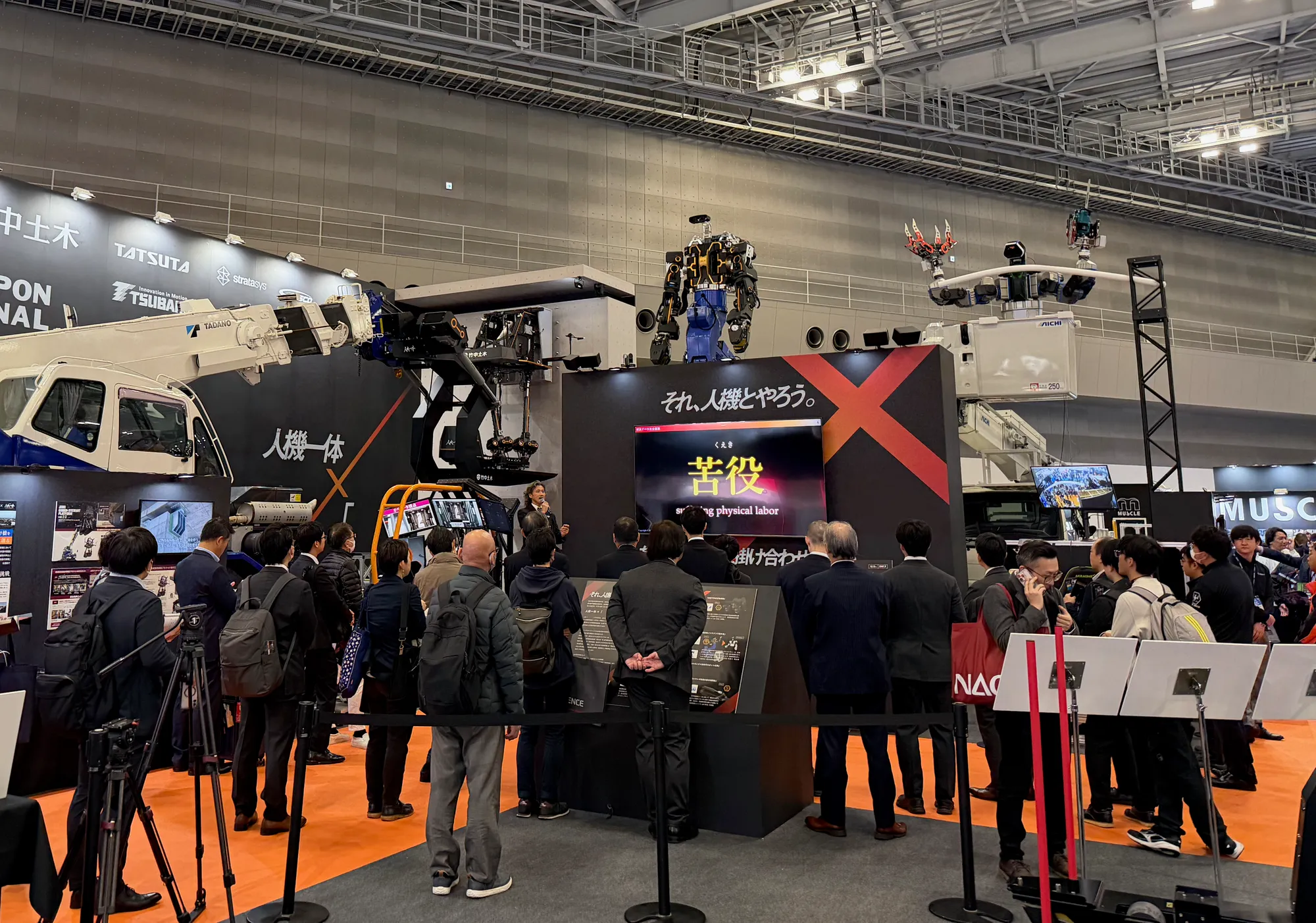
We were excited to attend the 2025 iREX (International Robot Exhibition) exhibition in Tokyo, Japan. The iREX exhibition is one of the longest-running robotics showcases, which takes place in the world’s cultural and industrial center for robotics development. Although the exhibition has been focused on industrial warehouse and laboratory applications, 2025 brings a larger emphasis on autonomous and AI-embodied robotic systems.
Our interests at iREX were threefold: tech immersion, networking, and finding robotics platforms that provide developer access we can use to create developer content. This mainly narrowed down our product interest to developer-friendly robots, RDKs (robot development kits), and robot management platforms.
Product types
The exhibition showcased a wide range of robotics products with a focus on industrial and research systems. As a developer-focused organization, we were most interested in systems that provide development access and of course, we wanted to see how close humanity is to entering the golden era of mecha development.
Here’s a rundown of some of the notable categories exhibited at the exhibition:
- Humanoid and social robots Human, animal, or character-shaped robots designed for mobility, interaction, and complex tasks, ranging from entertainment to emotional support and customer-facing services.
- Manipulative systems (arms, hands, lifts) Robotic arms with tools attached for grasping, manipulating, detecting, and analyzing items or the environment. These systems include human-like robotic arms, precision-laboratory arms, material handling manipulators, and heavy lifting systems.
- Mobility platforms (autonomous vehicles and rovers) Wheeled, tracked, and legged robots driven by autonomous or drivable platforms. These systems include exploration robots, transport carts and shuttles, and mechanized walkers that provide assisted transport.
- Mechanical components and materials The sensors, motors, joints, frames, gears, and materials used to build robotic systems.
- Large-scale piloted robotics Large piloted mechs and powered exoskeleton platforms. These are large robotic systems that include a cockpit for a human controller.
- Development tools and interfaces Hardware and software tools for building and programming robots such as RDKs (robot development kits), SDKs, APIs, and hardware development bundles.
- Remote hardware management services Remote services for managing fleets of robotic and IoT devices. You can use these services to monitor, update, and control devices remotely from a provided UI, or a custom UI if an API is provided.
ARCHAX
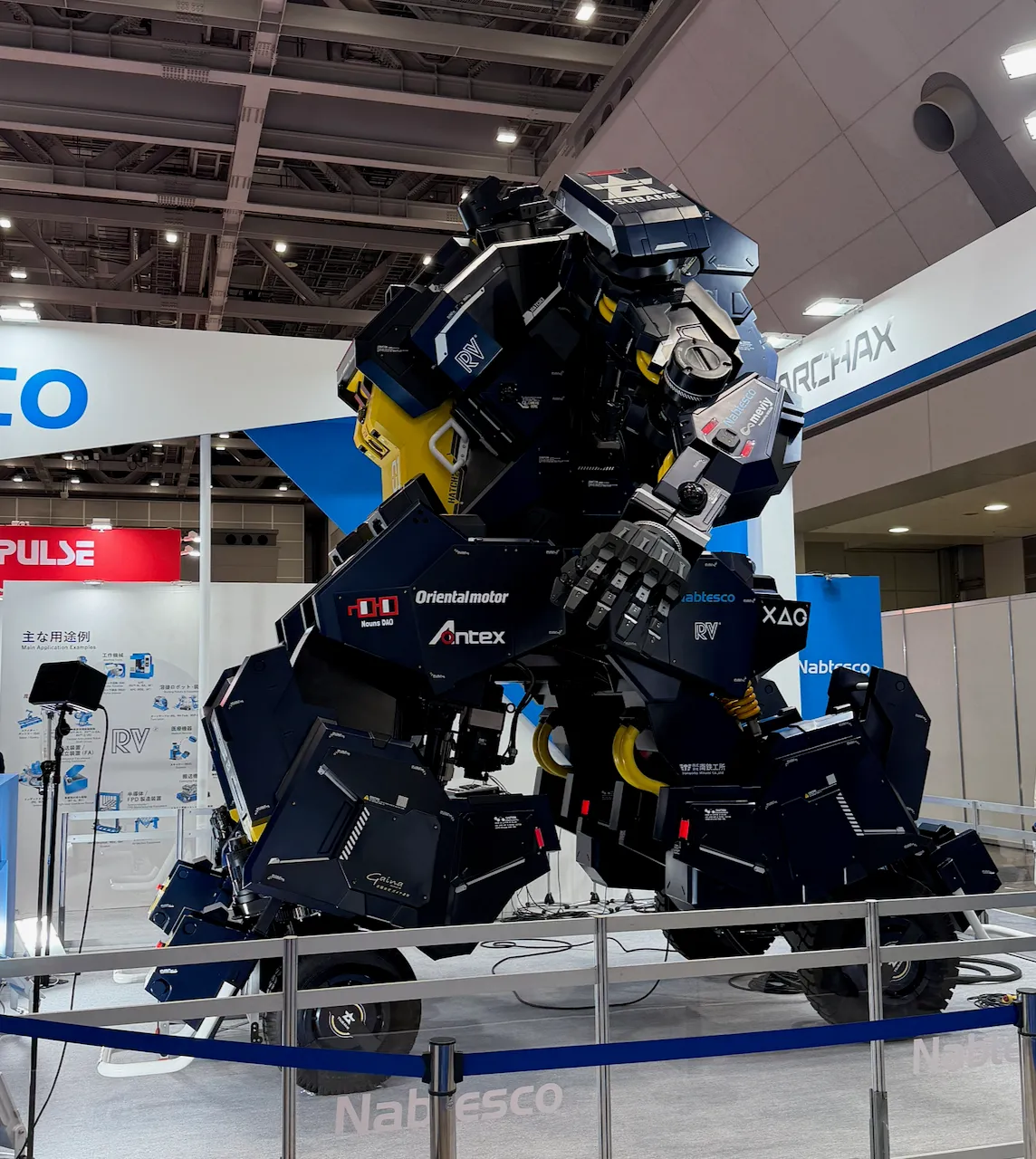
Tsubame Industries ARCHAX mecha was on display at the Nabtesco exhibit and its presence was impressive and impactful. In contrast to many of the AI-embodied and automated beasts at the exhibition, ARCHAX is piloted or remotely operated by a human.
With a vehicle and robot mode, the ARCHAX is a real-world mecha that resembles a mobile armor or a Knightmare Frame from the Code Geass anime. The mecha has 4 legs with a wheel attached to each leg. In drive mode, the legs move forward for added speed and stability.
The specs include:
- Piloted or remote operation
- Drive mode and robot mode
- Functioning arms and hands
- 10 km/h top speed
- 3.5 t weight
- 4.5 m height
At 3.5 tons, you might be wondering how this machine functions and moves its limbs so fluently under so much physical stress. That’s where Nabtesco comes in. They provide many of the parts for the ARCHAX including servo actuators, joints, and gears, such as the RV-N reduction gear.
Kawasaki CORLEO
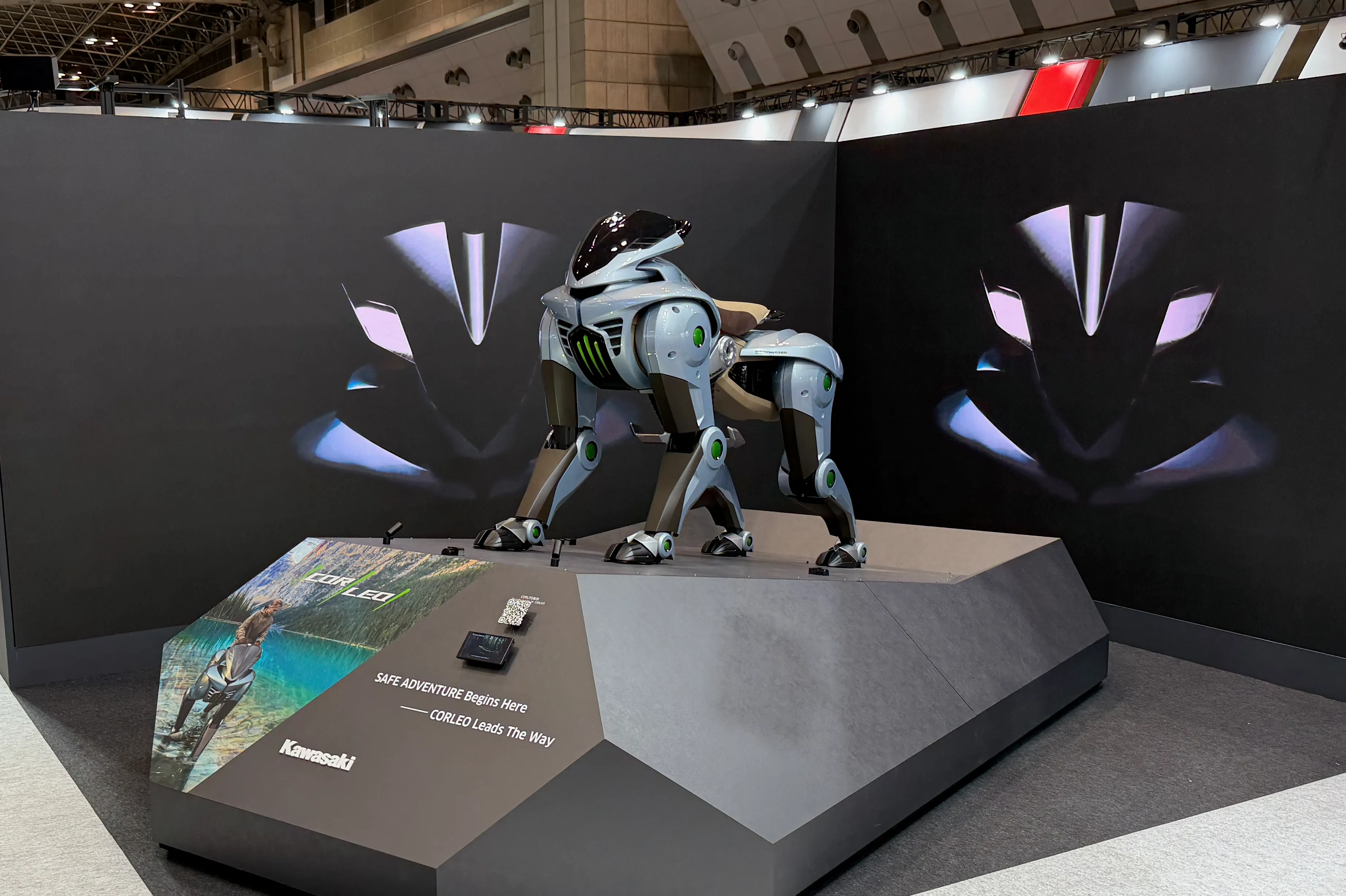
For personal use, the CORLEO off-road robotic mobility platform (robot horse) by Kawasaki was one of our most desired beasts at the exhibition. The hydrogen-powered all-terrain beast was on display as it transitioned between crouching and standing tall on its pedestal. We can only hope we get more details and to eventually ride one of these in the future, but it was satisfying to see it in person.
Top development platforms
Now that our nostalgia and fanboy experience is out of the way, we can move on to some notable developer-friendly products we discovered at the exhibition.
SEER Robotics
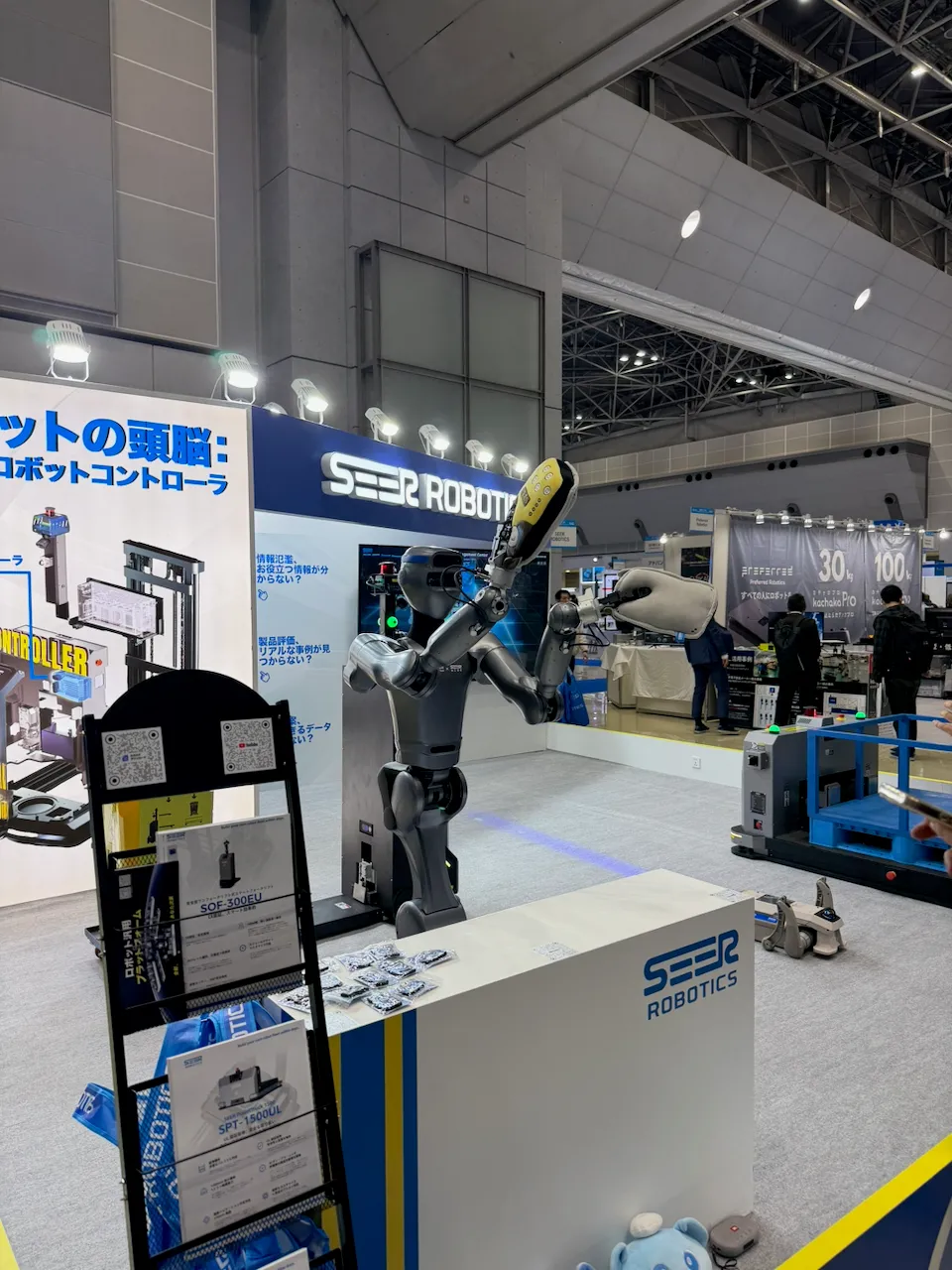
SEER Robotics of Shanghai had a strong presence at iREX, introducing an impressive array of products, generous swag, and friendly, informative staff. The main attractions of their exhibit were their Embodied Intelligence Series of robots, which includes a pack of quadruped robot dogs and a wheeled humanoid robot. Both models are embodied or possessed by AI with no need for remote operators, but the Nebula Robotics platform can provide them with any amount of human control and intervention that you desire.
A handsome wheeled humanoid robot closely guarded the swag bags and networking area of the exhibit. Anyone thinking of snatching fridge magnets and stylish totes without an introduction thought twice after being stared down by the robot as it picked up and sorted items with precise manipulation. Their quadruped robot dogs can traverse stairs, ramps, each other, and other obstacles that would have toppled many other robotic contestants.
SEER Robotics products provide robust API access and development tools, but they are tailored towards warehouses, factories, and logistics sites, making it challenging for us to get hands-on development experience with them. However, whether you’re reorganizing your garage or managing your warehouses, these products look like a huge step up over the standard manipulative systems seen in factories and warehouses.
Booster T1 and K1
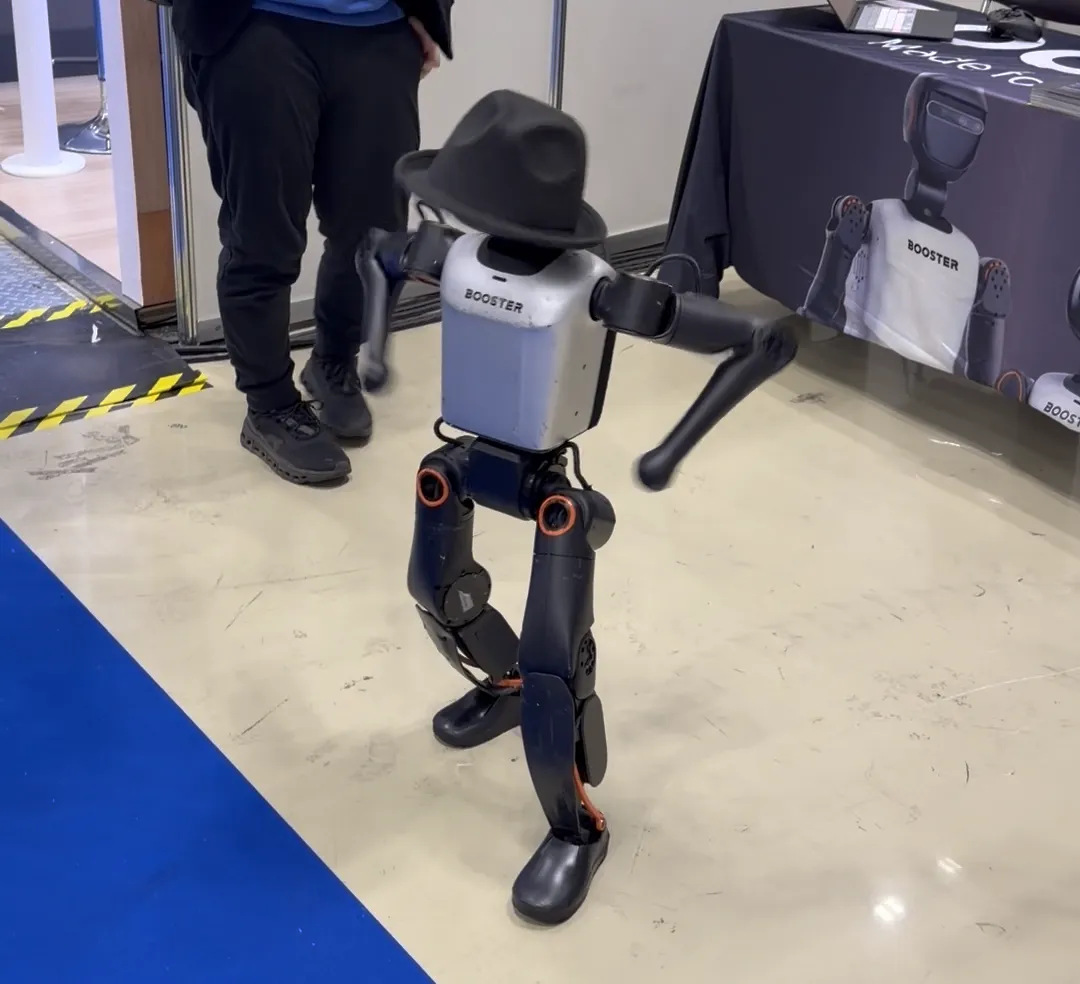
Booster Robotics provided a live demonstration of their adult-sized T1 and kid-sized K1 robots, which target developers, researchers, educators, and advanced robot applications. We were especially interested in these models due to their API access, open-source framework, and development tools. The K1 also displayed exceptional confidence and dance moves. With some great choices between size, weight, configurations, and pricing, this is one of our top choices for development platforms we’re considering.
Hyundai
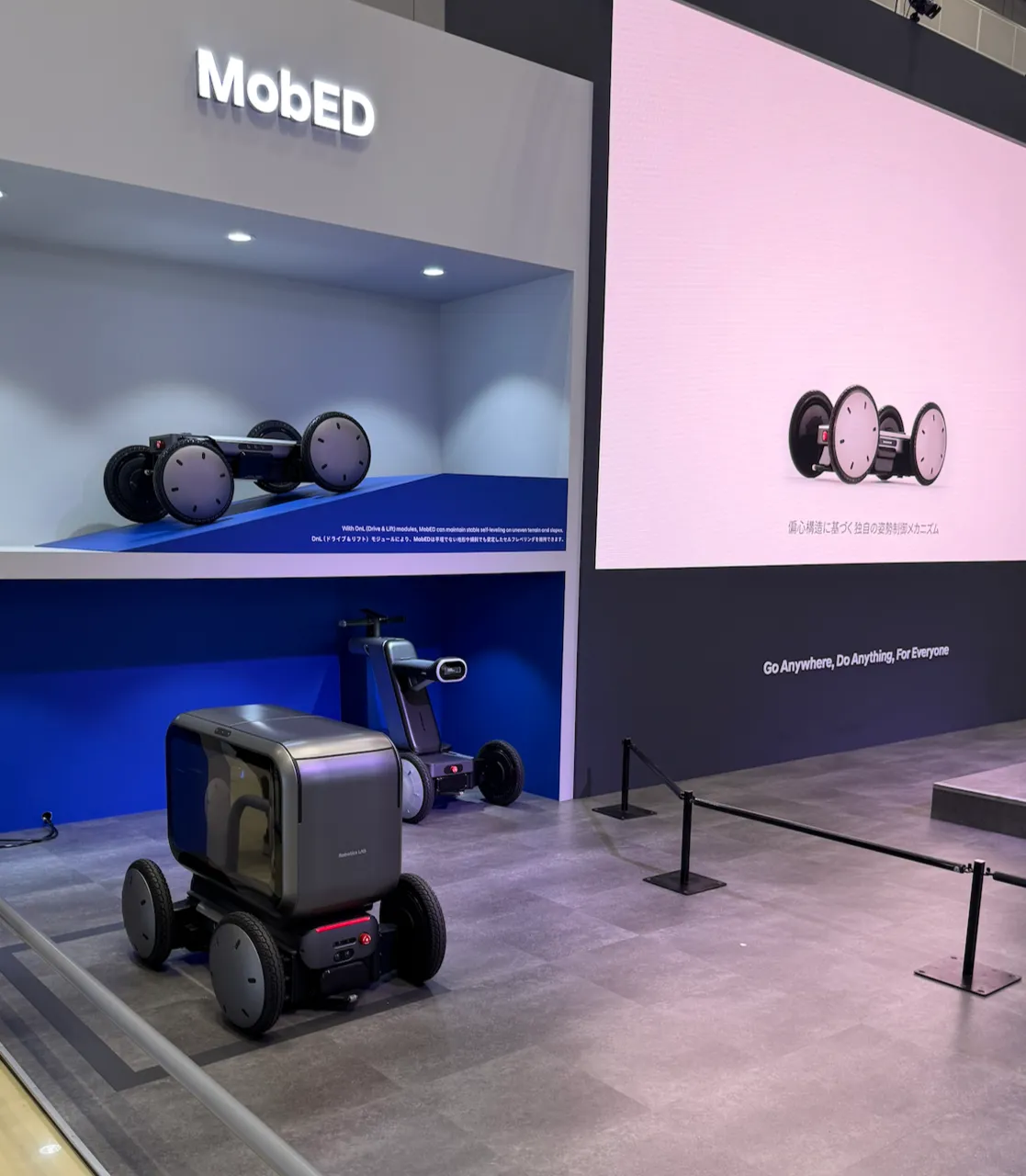
One of the smoothest and most refined products we noticed at iREX has to be the MobED Autonomous Mobility Robot Platform by Hyundai Motor Group Robotics LAB. The MobED is a four-wheeled autonomous robotics platform you can configure for the task of your choice with especially agile suspension resembling a low rider with three-wheel-motion hydraulics. Our obvious application of choice is carrying our Costco items while keeping our hands free for food sampling while we shop.
Hyundai is due to release MobED pricing during Q1 2026. If a version is available that doesn’t cost as much as an entry-level Tesla, there’s a very high chance that we will embrace the platform and test it on the terrain of the Pacific Northwest.
D-Robotics
The D-Robotics RDK S100 is a development board that includes development tools and APIs for open-source robot development by individuals and industry. Because exhibitions such as this focus on industrial applications, this product segment is often underrepresented despite being of central importance to anything involving robotics. As such, we jumped at the chance to attend their seminar at iREX and it had a very attentive crowd of professionals snapping photos of every slide. It’s probably mandatory for us to test this platform and publish the developer process.